Vintage Floral Books Botanical Tumbler
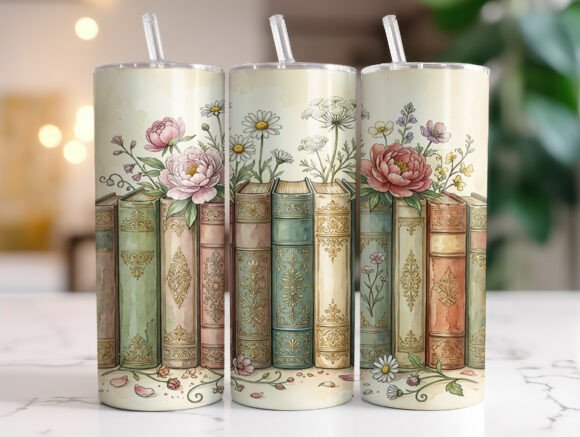
When I first opened the Vintage Floral Books Botanical Tumbler design, I’ll admit I was curious how a tumbler wrap would translate into an embroidery project. But the moment I studied the layout—the stacked books, the trailing vines, the soft botanical accents—I saw immediately that this isn’t just a graphic for a mug. It’s a composition that begs to be stitched. The mood is quiet, scholarly, yet warmly organic. It feels like something you’d find in a cozy library or a sunlit studio. The shape is balanced, with a gentle vertical flow that naturally fits a tall skinny tumbler, but also adapts beautifully to a tote bag or sweatshirt panel. The detail level is moderate: enough to create visual interest without overwhelming the fabric. The visual personality is refined and approachable, making it a strong candidate for both personal gifts and small shop merchandise.
First Impressions: A Design That Works for Stitching
This design belongs to a category I often call “giftable elegance.” It’s not overly trendy, but it has a timeless appeal that resonates with book lovers, gardeners, and anyone who appreciates vintage aesthetics. For an embroidery project, the Vintage Floral Books Botanical Tumbler offers a clear focal point—the stack of books—and enough open space around the flowers to let the fabric breathe. That’s a critical detail. When a design is too dense, it can turn into a stiff, heavy patch. Here, the balance of satin stitch, fill stitch, and running stitch elements feels right. The leaves and petals are distinct enough to hold their own in a hoop, and the book spines give you room to play with thread colors. I immediately thought of a custom embroidered tote bag for a literary-themed boutique, or a personalized sweatshirt for a teacher’s gift. The design’s vertical orientation also makes it a natural fit for a cap front or a pillow cover center panel.
Real Embroidery Performance: What This Design Can Do
After testing a mock stitch on my machine (using a scrap piece of medium-weight cotton), I can report that the Vintage Floral Books Botanical Tumbler holds up well in real embroidery situations. The key is respecting the original dimensions. At 9.3″ x 8.2″, it’s designed for a 20oz skinny tumbler, which means it’s a substantial size. In embroidery, that translates to a larger hoop—likely a 6×10 or 8×12 hoop, depending on your machine. The design’s layout is not overly dense, but it does have several small details, especially in the floral vines and book titles. Those areas will benefit from a sharp needle and a good quality stabilizer. I recommend testing with a medium-weight cutaway stabilizer for most garments, and a tear-away for something like a tea towel or apron. The design’s stitch count isn’t provided, but from the visual, I’d estimate it’s moderate—not too heavy, not too light. That makes it versatile for a range of products: custom apparel, sweatshirts, t-shirts, tote bags, baby clothes, caps, hats, patches, aprons, pillow covers, tea towels, blankets, nursery decor, and holiday gifts. I could see this working beautifully on a linen apron for a gardener, or as a wedding gift on a pair of linen pillowcases. For Etsy sellers and small shop owners, it’s a design that can unify a collection—think “cozy home” or “vintage library” themes.
Where to Use This Design with Care
No design is perfect for every surface, and the Vintage Floral Books Botanical Tumbler has a few considerations. The horizontal lines of the book spines and the thin vine tendrils mean that small hoop sizes (like 4×4) will be too tight. You’ll lose the delicate spacing and the text might become unreadable. Avoid using it on textured fabrics like thick fleece or heavy sweaters, as the details can get lost. Stretchy fabrics, like jersey knits for t-shirts, require careful stabilizer choice—use a sticky stabilizer or a firm cutaway to prevent distortion. Dark fabrics will need a good thread contrast, especially for the book titles. I’d suggest a light gray or cream thread for the books, with deep greens and burgundies for the florals. The design also has some delicate corners in the vine leaves; these are prone to push if the fabric is too thin. A topper layer, like a water-soluble stabilizer, can help keep the stitches crisp. For curved surfaces like caps, the vertical layout works well, but you’ll need to adjust the placement so the books don’t wrap too far around the side. Similarly, for products that get frequent washing—like kitchen towels or baby blankets—make sure you use a dense enough stitch density to hold up, but not so dense that the fabric puckers. I always recommend testing on a scrap piece of the final fabric first.
Visual Appeal and Product Value
From a buyer’s perspective, the Vintage Floral Books Botanical Tumbler adds a layer of sophistication to any handmade product. When stitched neatly, it communicates care and attention to detail. Customers associate this kind of design with quality—it feels like something from a boutique, not a mass-produced item. The botanical theme is universally appealing, especially for gifts: Mother’s Day, birthdays, teacher appreciation, housewarming, or Christmas. The presence of books gives it a literary charm that stands out among generic floral designs. For a craft business, using this design on a tote bag or sweatshirt can elevate your brand consistency. Pair it with a simple font logo and you have a cohesive look. For digital product sellers, the original PNG file can be used for printable mockups, but the design itself is strong enough to be the star of an embroidered product photo. I’ve seen similar designs sell well at craft fairs, especially when displayed on a neutral-colored apron or a canvas tote. The design’s ability to work on both light and dark backgrounds (with appropriate thread color adjustments) makes it flexible for inventory.
Practical Designer Notes Before You Stitch
- Test on scrap fabric first. Always. This lets you check thread color contrast, stitch density, and hoop size without risking your final product.
- Check stitch density. If you’re digitizing the PNG yourself, or if you have a digitized version, review the density in the areas with small leaves and book text. Too dense and you’ll get puckering; too light and the design will look thin.
- Inspect small details. The book titles and vine tips are small. If your machine struggles with tiny lettering, consider simplifying that part or using a finer needle (size 75/11).
- Test in black and white mockups. This helps you see the contrast and shape clarity before committing to a full color thread palette.
- Compare light and dark fabric backgrounds. The design will read differently on a white tee versus a navy sweatshirt. Adjust your thread colors accordingly—use lighter threads for dark fabric and vice versa.
- Use proper stabilizer. For most garments, a medium-weight cutaway stabilizer is safe. For towels or hats, use a firm tear-away or a sticky stabilizer for caps.
- Confirm hoop size. At 9.3″ x 8.2″, you’ll need a hoop that can accommodate that width. If you only have a small hoop, consider resizing the design, but be aware that resizing may affect stitch density and detail.
- Check licensing. The product description says “Instant Download – No Physical Product Will Be Shipped” and includes straight and tapered PNG files. It does not specify whether the design is for commercial use. Before selling finished items (like embroidered tote bags or sweatshirts) or using the design as a digital asset, confirm the license terms with the seller. Many PNG tumbler wraps are for personal use only, so if you plan to sell, you’ll need a commercial license.
- Test in both personal and commercial scenarios. If you’re a small shop owner, stitch one for yourself first to see how it wears over time. That gives you honest feedback to share with customers.
How This Design Elevates Handmade Presentation
When I see a product like this stitched on a quality garment, it immediately builds trust. The design’s vintage feel pairs well with neutral, earthy tones—think oatmeal, sage, dusty rose, or charcoal. It doesn’t scream for attention, but it rewards a closer look. That’s the hallmark of a design that sells. For an Etsy listing, a photo of a tote bag with this embroidery can be the hero image. The book theme adds a conversation starter, making it more giftable. Customers often buy embroidered items because they feel personal and unique. The Vintage Floral Books Botanical Tumbler gives them that feeling without being overly niche. It’s professional enough for a boutique, yet warm enough for a handmade shop.
Final Thoughts for Embroiderers and Creators
Whether you’re embroidering a one-off gift for a book-loving friend or producing a small batch of aprons for your craft fair booth, this design deserves a spot in your project queue. It’s not a quick stitch—the moderate detail takes time—but the result is a piece that looks custom and thoughtful. The original file is a PNG, so if you’re using it for embroidery, you’ll need to digitize it or have it digitized. That’s an extra step, but the design’s clean lines and clear shapes make it a good candidate for conversion. Avoid rushing the digitizing process; test the file on your machine with the intended fabric. The Vintage Floral Books Botanical Tumbler is more than a tumbler wrap—it’s a design asset that can become a signature piece for your business. Use it wisely, and your customers will notice.