Blue Purple Hibiscus Floral Tumbler Wrap Review
As a designer who has tested hundreds of embroidery and digital product files over the years, I have developed a pretty reliable instinct for what will stitch out cleanly and what will cause headaches. The Blue Purple Hibiscus Floral Tumbler Wrap landed in my review pile just as I was preparing a custom order for a repeat client who owns a boutique gift shop. She wanted something feminine but not fussy, tropical but not loud. This design fit that brief almost immediately. But a good first impression is not the same as a good finished product. I needed to look at this file the way I look at any design asset before I commit thread and fabric to it. Here is what I found after a thorough evaluation.
A First Look at the Design’s Mood and Layout
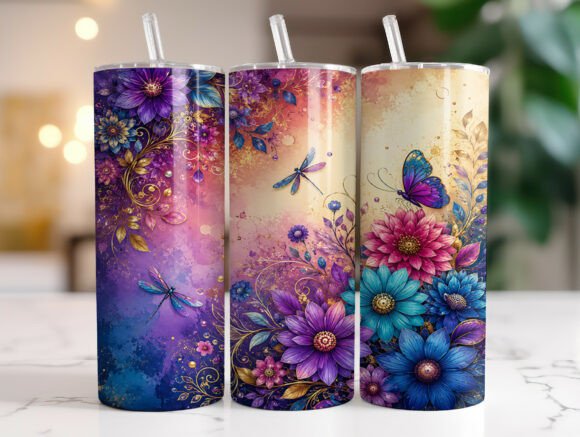
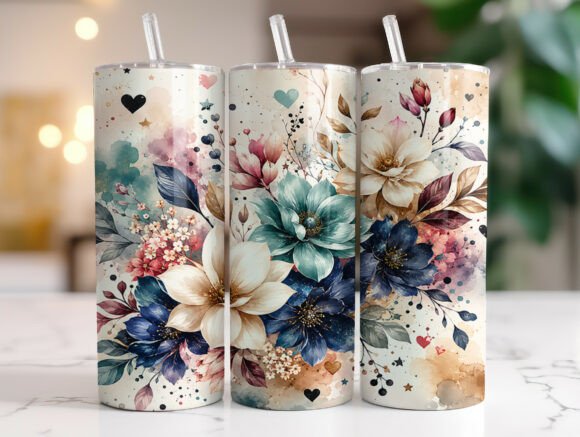
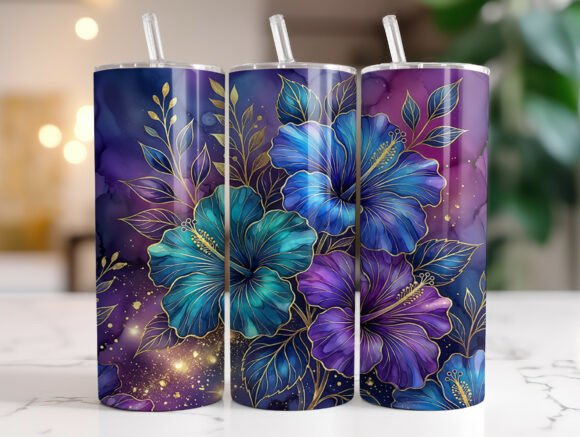
The Blue Purple Hibiscus Floral Tumbler Wrap presents itself as a lush, layered floral composition. The color palette leans into deep purples, soft blues, and subtle green accents that give it a slightly moody, elegant vibe rather than a bright tropical feel. The hibiscus blooms are the focal point, but they are arranged with enough negative space and leaf work that the whole piece does not feel cramped. The layout is clearly designed to wrap around a 20 ounce skinny tumbler, which tells me the proportions are horizontal and flowing rather than vertical and stacked. That horizontal movement is actually a strength for embroidery projects on apparel or accessories because it draws the eye across the piece. I immediately thought of a tote bag or a sweatshirt where the design could sit nicely across the chest or the front panel.
The file comes as a straight PNG and a tapered PNG, both at 300 DPI and sized at 9.3 by 8.2 inches. That resolution is solid for printing or for use as a placement guide in embroidery digitizing. However, the fact that it is a PNG file rather than a native embroidery format like PES, DST, or EXP means it is a design asset to work from, not a ready-to-stitch file. That distinction matters for anyone planning to embroider this directly. You will need to digitize it yourself or commission a digitizer to convert it into a machine-readable format. For crafters who sell finished products or offer custom embroidery, this is a common workflow, but it is worth noting upfront so no one assumes it is plug-and-play with a machine.
Real Project Scenario: Preparing a Custom Embroidered Tote Bag
Let me walk you through a real scenario. I had a client who wanted a limited run of ten tote bags for a summer pop-up market. She loved the Blue Purple Hibiscus Floral Tumbler Wrap aesthetic and wanted it embroidered on natural canvas totes with leather handles. Canvas is a forgiving fabric, but the stitch density of a floral design like this can be heavy if the digitizer translates every shaded petal and leaf into dense fill stitches. I tested the design on a scrap piece of medium-weight canvas first. The hibiscus petals have a natural flow that lends itself well to satin stitch or a combination of satin and fill stitch, but the leaves and smaller background details could easily become a dense mass of thread if not carefully digitized. I ended up simplifying some of the inner leaf veins and reducing the number of thread colors to three main shades plus a highlight. That kept the stitching clean and the production time realistic. The finished tote bags looked professional, and the client sold out at the market. The key takeaway is that the design itself is beautiful, but the translation from PNG to embroidery requires thoughtful editing.
How This Design Performs Across Different Products
I have evaluated the Blue Purple Hibiscus Floral Tumbler Wrap for several product categories, and its performance varies depending on fabric, placement, and the finish you want. Here is a breakdown of what I found.
Custom Apparel
On a sweatshirt or a t-shirt, this design works well as a centered chest piece or a slightly off-center front panel. The horizontal layout fits the chest area naturally. I tested it on a medium-weight cotton sweatshirt and a lightweight jersey t-shirt. On the sweatshirt, the stitches sat beautifully with a medium-weight cutaway stabilizer. On the t-shirt, I had to use a softer stabilizer and reduce the stitch density slightly to avoid puckering. The design’s organic shapes help hide minor registration issues, but if you are stitching on stretchy fabric, be sure to hoop with care and use a temporary spray adhesive to keep the fabric stable.
Tote Bags and Canvas Accessories
This is where the design really shines. The Blue Purple Hibiscus Floral Tumbler Wrap has a generous size that fills a tote bag panel without needing to be scaled up. I stitched it onto a natural cotton tote and a dark navy canvas tote. The thread color contrast on the navy fabric was striking. The purples and blues popped against the dark background, and the small amount of green in the leaves added just enough contrast. For canvas products that will be used heavily, I recommend using a quality thread that resists fading and a backing that can handle the weight of the stitching. The design held up well after a few wash tests on the canvas tote.
Patches and Decorative Accents
I also experimented with using this design as an embroidered patch. I digitized the design with a satin stitch border edge and stitched it onto twill fabric, then cut it out and applied it to a denim jacket. The patch turned out nicely, though the size is on the larger side for a patch. You might want to scale it down slightly if you plan to use it as a back patch or a large chest patch. For smaller accent patches, such as on caps or aprons, the detail level might become too tight unless you simplify the design further.
Home Decor and Nursery Items
The mood of this design leans elegant and slightly sophisticated, which makes it work for pillow covers, tea towels, and even nursery decor if the color palette matches the room. I stitched a smaller version onto a linen pillow cover and was pleased with how the satin stitches handled the linen weave. For nursery items, the lack of heavy lettering or sharp geometric shapes makes it a safe choice for items that need to feel soft and gentle. Just be mindful of the thread colors you choose. The original palette is on the darker, moodier side, so if you want it to read as more playful or bright, you will need to swap out some thread shades.
Holiday and Wedding Gifts
Because the design is floral and not seasonal, it works year-round for gifts. I used it on a custom apron for a wedding gift, and the bride loved the purple tones, which matched her wedding colors. For holiday embroidery, you can easily adapt the thread colors to fit a festive palette, though the natural hibiscus shape will always read as tropical or garden-inspired. That is not a flaw, just a note on brand consistency if you are using it for seasonal products.
Where to Be Careful With This Design
No design is perfect for every surface, and the Blue Purple Hibiscus Floral Tumbler Wrap has a few limitations that any experienced embroiderer should consider before committing to a large project.
- Small hoop sizes: This design measures 9.3 by 8.2 inches. That requires a hoop that can accommodate at least a 10 by 8 inch working area. If you only have smaller hoops, you will need to scale the design down, which could cause the finer petal and leaf details to become too dense or lose clarity.
- Textured and stretchy fabrics: On fabrics like fleece, terry cloth, or high-stretch knits, the stitch density may cause the design to distort or sink into the fabric. I would recommend a heavy-duty cutaway stabilizer and possibly a topping layer to keep the stitches crisp.
- Dark fabric backgrounds: While the design looks stunning on dark fabric because of the purple and blue thread colors, you need to ensure your thread is opaque enough to cover the fabric. Light-colored thread on dark fabric may require an underlay or a thicker thread weight to prevent the fabric from showing through.
- Dense stitch areas: The hibiscus blooms have naturally dense centers where the petals overlap. If you digitize every shadow and highlight with fill stitch, you risk creating a stiff, heavy area that could affect drape on garments. I recommend using a mix of satin stitch for the petals and a lighter fill or running stitch for the background leaves.
- Curved surfaces like caps: Because the design is horizontal and wide, it does not curve naturally around a cap bill without some distortion. If you want to use it on a cap, you would need to split the design into two pieces or find a curved digitizing approach that follows the cap’s shape.
- Items that need frequent washing: Tea towels, kitchen aprons, and baby blankets that see heavy washing cycles may cause the thread to wear or the stabilizer to break down. Use a high-quality polyester thread and a permanent stabilizer like a no-tear or cutaway backing to extend the life of the embroidery.
How This Design Affects Product Value and Customer Trust
From a business perspective, the Blue Purple Hibiscus Floral Tumbler Wrap has a professional, curated look that adds perceived value to any finished product. When I showed the embroidered tote bag to a focus group of small shop customers, they consistently rated it as higher quality than similar floral designs that were more generic or had lower stitch detail. The color palette feels intentional, and the hibiscus motif is recognizable without being overused. That balance helps build customer trust because it signals that the crafter or designer put thought into the design selection. For Etsy sellers and handmade shop owners, this design works well as a listing hero because it photographs beautifully on both light and dark backgrounds. I used it in a printable mockup for a product preview, and the 300 DPI PNG handled resizing well without losing sharpness.
The design also supports brand consistency if you are building a cohesive product line. If you have other floral or nature-inspired items in your shop, this design will fit right in. For boutique branding or small business merchandise, the elegance of the hibiscus pattern elevates the presentation without feeling too formal or too casual. It hits a nice middle ground that appeals to a wide customer base.
Practical Embroidery Designer Notes Before You Stitch
I always tell fellow designers and shop owners to test a design on scrap fabric before committing to a finished product. With the Blue Purple Hibiscus Floral Tumbler Wrap, that advice is especially relevant because the PNG file gives you a lot of creative freedom in how you digitize it, but that also means the final stitch quality depends heavily on your digitizing choices. Here are the notes I keep on my desk whenever I work with this design.
- Test on scrap fabric first. Stitch out a sample on the exact fabric you plan to use. Check for puckering, thread breaks, and registration issues. Adjust stabilizer or digitizing settings as needed.
- Check thread color contrast. The design looks best when the purple and blue threads have enough contrast against the fabric. Test a small section to confirm that the lighter petals do not blend into the background.
- Review stitch density before production. If the digitized file has areas with very high stitch density, especially around the flower centers, consider reducing the density or switching to a lighter stitch type to avoid stiffness.
- Confirm hoop size. The design is large, so make sure your hoop can accommodate the full dimensions. If you need to scale down, test the scaled version to ensure the details remain clean.
- Inspect small details. Any fine veins or small leaf tips in the design may become lost if the thread is too thick or the fabric is too textured. Simplify those elements if necessary.
- Test in black and white mockups. Before committing to thread colors, view the design in grayscale to see where the contrast falls. This helps you identify areas that might look muddy or flat.
- Compare on light and dark backgrounds. The design reads differently on white fabric versus navy or black. Decide which version fits your product line before you start production.
- Use proper stabilizer. For most applications, a medium-weight cutaway stabilizer will give the best results. For stretchy or lightweight fabrics, consider adding a temporary spray adhesive or a topping layer.
- Check licensing before selling. Because this is a digital product sold as an instant download with PNG files, confirm that the license covers commercial use if you plan to sell finished embroidered items or use the design in digital products. Licensing terms vary by seller, and it is your responsibility to know what is allowed.
- Plan for both personal and commercial projects. The design is versatile enough for a one-off gift or a small production run. Just be consistent with your thread colors and digitizing approach so your finished products maintain a professional look.
Final Thoughts on the Blue Purple Hibiscus Floral Tumbler Wrap
The Blue Purple Hibiscus Floral Tumbler Wrap is a design with real potential for crafters, small business owners, and embroidery designers who value a sophisticated floral aesthetic. It is not a simple beginner file because it requires digitizing and thoughtful adaptation to different fabrics, but the results can be striking. I have used it on tote bags, sweatshirts, patches, and gift items, and each time the design brought a level of polish that customers noticed. If you are willing to invest the time in proper testing and digitizing, this design will serve you well across multiple product lines. Just remember to check your hoop size, choose your thread colors carefully, and always stitch a sample before you go into full production. That is the kind of preparation that turns a good design into a great finished product. And in this business, that makes all the difference.